Inside the Fimavyn Formula: 10 Ingredients, Their Roles & the Science Behind Them
A Closer Look at What Goes Into Fimavyn
What makes a dietary supplement worth exploring? For many people, the answer starts with its ingredients. Understanding the formula, the purpose of its components, and the research behind them can help you make a more informed decision about your wellness routine.
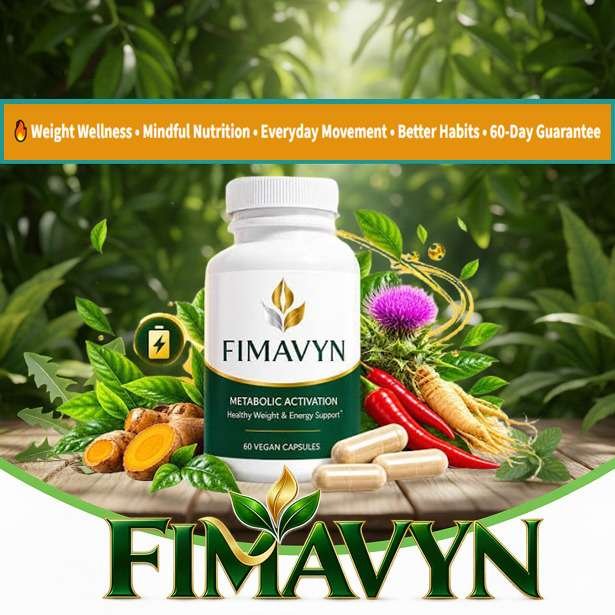
Fimavyn Ingredients combine ten nutritional and plant-derived components in a capsule supplement marketed to support healthy weight management, metabolism, and natural energy as part of a balanced lifestyle.
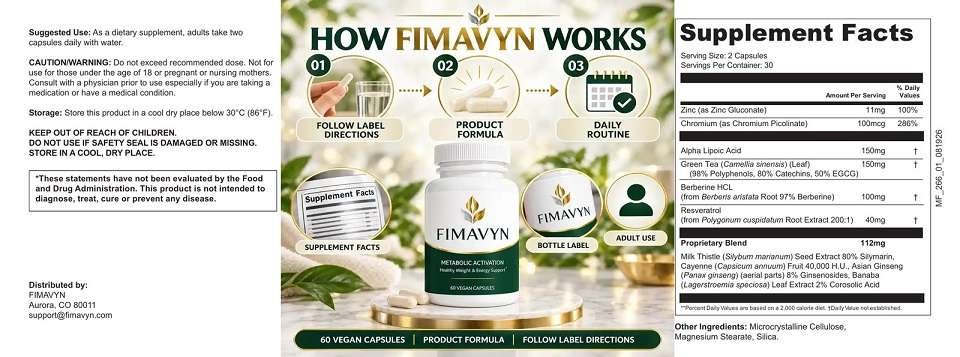
The formula features zinc, chromium, alpha lipoic acid, green tea leaf extract, berberine HCl, resveratrol, milk thistle, cayenne pepper, Asian ginseng, and banaba leaf. These ingredients have different properties and research backgrounds, ranging from essential nutrient functions to ongoing investigations into botanical compounds.
But there is an important distinction between an ingredient’s potential and a finished product’s proven effects. Let’s explore what each component brings to the formula, what current evidence suggests, and what remains uncertain.
Meet the 10 Fimavyn Ingredients Behind the Formula
Rather than treating every ingredient as a weight-loss solution, it is more useful to understand its individual characteristics and the questions researchers are investigating.
1. Zinc: The Foundation of Essential Nutritional Support
Zinc is an essential mineral that contributes to normal immune function, wound healing, protein synthesis, and numerous cellular processes. Although the body requires only small amounts, adequate zinc intake is important for general health.
Within the Fimavyn formula, zinc is best understood as a nutritional component rather than a direct fat-burning agent. Supplementation may be useful when dietary intake is insufficient, but evidence does not establish that additional zinc produces meaningful weight loss in people who already obtain enough.
2. Chromium: Exploring the Connection With Metabolism
Chromium is a trace mineral studied for its relationship with insulin activity and the body’s metabolism of carbohydrates, fats, and proteins.
Researchers have investigated whether chromium supplements influence appetite, body weight, or body composition. Some studies report small effects, but the overall evidence does not establish a substantial or dependable weight-loss benefit.
Its presence in Fimavyn should therefore be viewed as part of a broader nutritional formula, not a guarantee of improved metabolic performance.
3. Alpha Lipoic Acid: A Compound Involved in Cellular Energy Processes
Alpha lipoic acid, commonly called ALA, occurs naturally in the body and participates in mitochondrial energy metabolism. It also has antioxidant properties and has attracted scientific interest because of its role in several cellular processes.
Research has examined ALA in connection with metabolic health and body weight. However, findings from studies using particular doses or formulations cannot automatically be applied to Fimavyn.
The amount included in the finished supplement and the quality of the available evidence are essential considerations when evaluating its potential role.
4. Green Tea Leaf Extract: Plant Compounds Under the Microscope
Green tea extract contains catechins, including epigallocatechin gallate (EGCG). Depending on how the extract is prepared, it may also contain caffeine.
Scientists have studied green tea compounds for their potential effects on energy expenditure and weight management. Some findings suggest modest effects, but the evidence does not support promises of substantial or effortless weight loss.
Safety deserves attention, too. Concentrated green tea extracts have been associated with digestive discomfort, increased blood pressure in some circumstances, and rare cases of liver injury. The extract type and dose can influence the risk.
5. Berberine HCl: A Botanical Compound With Metabolic Research Interest
Berberine is a naturally occurring compound found in plants such as barberry. Berberine HCl refers to berberine hydrochloride, a form commonly used in supplements.
Researchers have investigated berberine for possible effects on glucose metabolism, cardiovascular risk factors, and body weight. Some studies report encouraging findings, but differences in study design, dosage, and participant characteristics make definitive conclusions difficult.
Berberine can also cause gastrointestinal side effects and interact with medications. Anyone taking prescription medicines should consult a healthcare professional before using a supplement containing this compound.
6. Resveratrol: An Antioxidant-Related Plant Compound
Resveratrol is a polyphenol found in the skins of dark grapes and certain other plants. It has been studied for its antioxidant properties and possible biological effects involving inflammation and metabolic processes.
Much of the interest in resveratrol comes from laboratory research and early clinical investigations. These findings may help guide further study, but they do not prove that Fimavyn produces specific health improvements or changes in body composition.
Its role is best understood in the context of ongoing research rather than as a guaranteed weight-management benefit.
7. Milk Thistle: A Botanical Traditionally Associated With Liver Health
Milk thistle is a flowering plant whose seeds contain silymarin, a mixture of naturally occurring compounds.
The plant has a long history of use in traditional herbal preparations associated with liver health. Modern research has examined milk thistle for several potential applications, but high-quality evidence remains insufficient to confirm many proposed benefits.
It should not be regarded as a proven treatment for liver disease or as an ingredient that directly removes body fat.
8. Cayenne Pepper: The Source of Capsaicin
Cayenne pepper contains capsaicin, the compound responsible for its characteristic spicy sensation. Scientists have investigated capsaicin for its potential influence on thermogenesis, energy expenditure, and digestive responses.
However, research has not established that cayenne pepper reliably produces meaningful weight loss. Some people may also experience burning sensations, stomach discomfort, nausea, or bloating.
In Fimavyn, cayenne pepper represents a botanical component with an interesting research background, not a stand-alone solution for body-fat reduction.
9. Asian Ginseng: A Traditional Herb With Modern Research Interest
Asian ginseng, also known as Panax ginseng, has been used in traditional herbal practices for centuries. Its roots contain compounds called ginsenosides, which researchers have investigated for various biological effects.
Studies have explored ginseng in relation to fatigue, physical performance, and metabolic health. Nevertheless, findings vary according to the preparation, dosage, and outcome being measured.
Traditional use does not guarantee that Asian ginseng in Fimavyn will improve energy levels or produce weight loss in every individual.
10. Banaba Leaf: A Tropical Botanical Being Studied for Metabolic Effects
Banaba leaf comes from Lagerstroemia speciosa, a tropical tree whose leaves contain compounds such as corosolic acid.
Researchers have explored these compounds for their potential relationship with glucose metabolism. However, much of the available research concerns particular extracts or isolated compounds rather than the complete Fimavyn formula.
More high-quality human research is needed before meaningful health benefits can be established. Banaba should not be considered a proven treatment for blood sugar problems or a guaranteed weight-management ingredient.
How the Ingredients Fit Into a Broader Wellness Approach
The potential value of Fimavyn Ingredients is easier to understand when the components are grouped according to their general characteristics.
Essential nutrients: Zinc and chromium contribute to normal physiological processes. Their importance does not mean that taking additional amounts automatically improves weight management.
Compounds studied for antioxidant-related properties: Alpha lipoic acid and resveratrol have attracted research interest because of their roles in cellular processes.
Botanical extracts: Green tea, milk thistle, cayenne pepper, Asian ginseng, and banaba provide plant-derived compounds with different traditional uses and research backgrounds.
Ingredients investigated for metabolic effects: Chromium, berberine, and banaba have been studied in relation to aspects of glucose and nutrient metabolism.
Together, these categories describe the formula’s composition. They do not establish that the ingredients work synergistically or that the finished supplement produces clinically meaningful weight loss.
What Does the Scientific Evidence Actually Tell Us?
Ingredient research is valuable, but its conclusions need to be interpreted carefully.
Studies of chromium generally suggest that any average effect on weight is small. Green tea extract has shown limited potential for weight management in some research, while berberine has attracted interest for metabolic outcomes but still requires stronger and more consistent evidence.
For milk thistle, cayenne pepper, and several other botanical ingredients, available research does not establish many of the benefits sometimes associated with them in promotional materials.
Three factors are particularly important when interpreting the evidence.
Dosage and formulation matter. A clinical study may use an extract or dosage that differs substantially from the amount in a commercial supplement.
Individual results vary. Age, diet, health status, medication use, and other personal factors can influence how someone responds to a supplement.
The complete formula needs its own evidence. Research on one ingredient does not prove that a combination of ten ingredients produces the same effects. Well-designed human clinical trials evaluating the finished Fimavyn formula would be needed to establish its effectiveness and safety for specific outcomes.
For broader background, consult the National Institutes of Health Office of Dietary Supplements and the National Center for Complementary and Integrative Health for evidence summaries on weight-management supplements and individual botanical ingredients.
Beyond the Ingredient List: What to Know About Fimavyn
According to the product information provided, Fimavyn comes in a bottle containing 60 capsules, with a suggested serving of two capsules daily. This provides approximately 30 days of use per bottle.
The product is also described as vegan, non-GMO, and manufactured in the USA in a GMP-certified facility. Eligible purchases include a 60-day money-back guarantee, subject to the applicable purchase terms.
These details help explain the product’s format and purchasing conditions, but they are separate from evidence of clinical effectiveness.
Before buying, review the official Supplement Facts panel, the amount of each ingredient, the serving instructions, and any relevant safety warnings. These details are particularly important when comparing supplements or determining whether a formula is appropriate for your circumstances.
Final Thoughts: Understanding Fimavyn Starts With the Ingredients
The ten Fimavyn Ingredients combine essential nutrients and botanical compounds that have attracted varying levels of scientific interest. Zinc and chromium have established nutritional roles, while berberine, alpha lipoic acid, green tea extract, resveratrol, and several botanical ingredients continue to be studied for their potential biological effects.
The most important takeaway is to distinguish between a plausible ingredient benefit and a proven result from the complete product. The available ingredient research does not, by itself, establish that Fimavyn causes weight loss, increases energy, or delivers a particular health outcome.
A balanced diet, regular physical activity, adequate sleep, and sustainable daily habits remain important parts of a healthy lifestyle. Anyone taking medication, managing a medical condition, or who is pregnant or nursing should consult a qualified healthcare professional before using a dietary supplement.
Ultimately, understanding the formula, reviewing the evidence, and maintaining realistic expectations can help you decide whether Fimavyn fits your personal wellness needs.
Disclaimer: Fimavyn is a dietary supplement, not a medical treatment. Product statements have not been evaluated by the U.S. Food and Drug Administration. This product is not intended to diagnose, treat, cure, or prevent any disease. Individual results may vary.
Ready to Support Your Metabolism with FIMAVYN?
Explore FIMAVYN for Daily Energy and Weight Management Support – View Packages and the 60-Day Guarantee →